September 11, 2001: The Remarkable History and Global Impact of 9/11
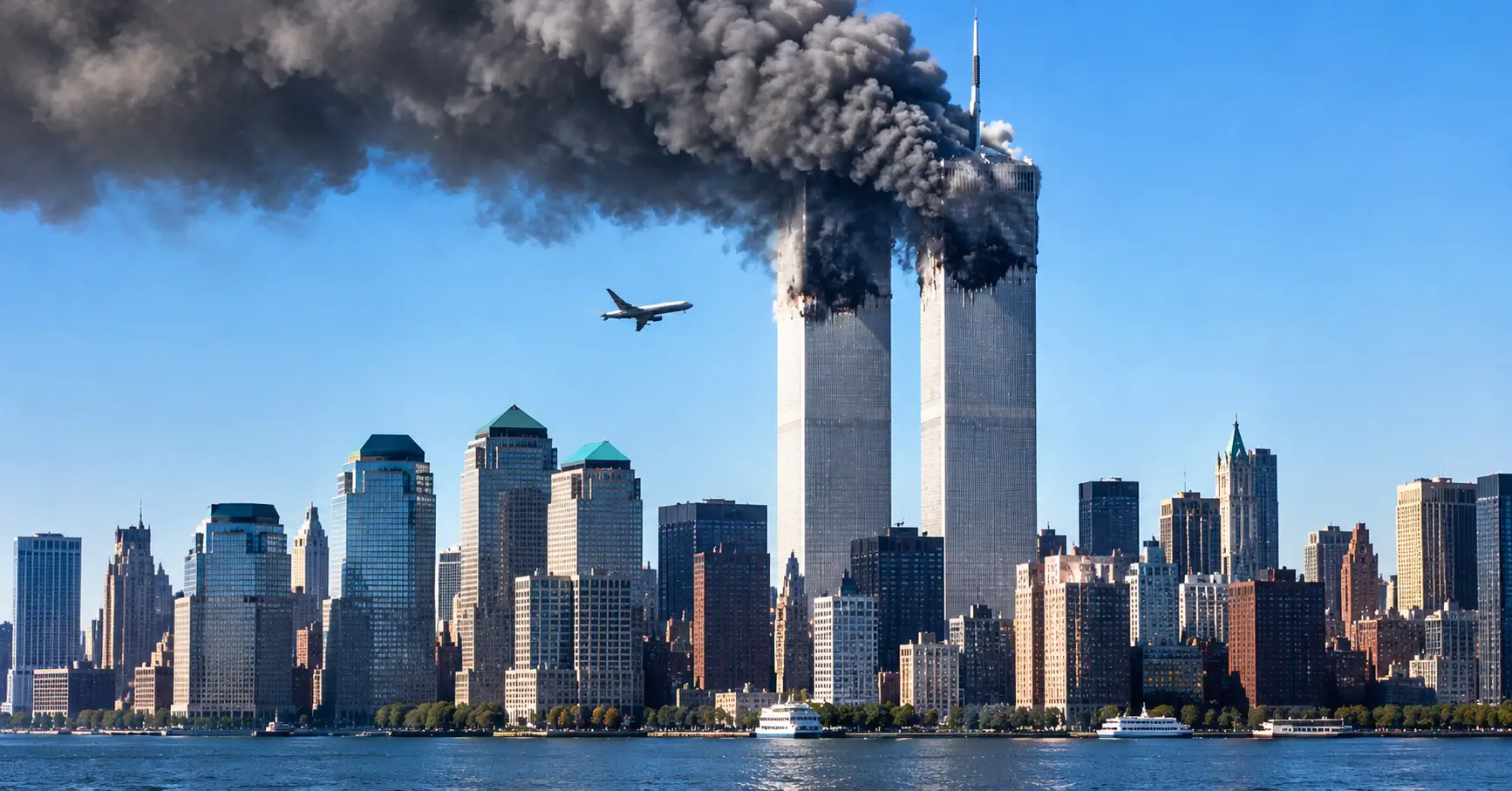
A factual history of the attacks, the people affected, the immediate response, and the political and social changes that followed.
Quick Answer
September 11, 2001 was the date of four coordinated terrorist attacks carried out by 19 al-Qaeda hijackers. Two aircraft struck the World Trade Center towers in New York, one struck the Pentagon near Washington, D.C., and United Airlines Flight 93 crashed in Pennsylvania after passengers and crew members attempted to regain control of the aircraft.
The attacks killed 2,977 people from 90 nations. Beyond the immediate loss of life, September 11, 2001 reshaped U.S. national security, aviation, foreign policy, intelligence, military strategy and international politics for years to come.
Date of the attacks
Al-Qaeda hijackers
Hijacked aircraft
People killed
The Background to September 11, 2001
To understand September 11, 2001, it is necessary to look beyond the morning itself. The attacks were the result of a longer development involving al-Qaeda, Osama bin Laden, political conflicts in the Middle East and Afghanistan, and failures within different parts of the U.S. counterterrorism system.
The 9/11 Commission’s historical account traces the development of al-Qaeda and its leadership during the 1980s and 1990s. The organization gradually developed a strategy aimed at attacking the United States and its interests. Earlier terrorist attacks, including the 1993 World Trade Center bombing and attacks on U.S. targets overseas, demonstrated that transnational terrorism was becoming a serious security concern.
Historical books such as Lawrence Wright’s The Looming Tower and Steve Coll’s Ghost Wars examine the political and organizational history that preceded the attacks. These works are useful because they place September 11, 2001 within a much longer story rather than treating the day as an isolated event.
What Happened on September 11, 2001?
On the morning of September 11, 2001, 19 hijackers took control of four commercial passenger aircraft after their departures from airports on the U.S. East Coast.
Two aircraft were flown into the Twin Towers of the World Trade Center in Lower Manhattan. A third aircraft was flown into the Pentagon in Arlington, Virginia. The fourth aircraft, United Airlines Flight 93, crashed near Shanksville, Pennsylvania after passengers and crew attempted to stop the hijackers.
The attacks were coordinated and unfolded within a little more than three hours. The scale and speed of the events overwhelmed ordinary emergency procedures and forced national leaders, air-traffic controllers, police officers, firefighters, military personnel and civilians to respond under extraordinary conditions.
The 9/11 Memorial & Museum records 2,977 victims of the attacks. The victims came from 90 nations, demonstrating from the beginning that the tragedy was international rather than purely domestic.
September 11, 2001 Timeline
American Airlines Flight 11 struck the North Tower of the World Trade Center.
United Airlines Flight 175 struck the South Tower.
American Airlines Flight 77 struck the Pentagon.
The South Tower collapsed after the damage caused by the aircraft impact and subsequent fires.
United Airlines Flight 93 crashed near Shanksville, Pennsylvania after passengers and crew members fought back against the hijackers.
The North Tower collapsed.
The timeline shows how rapidly the crisis developed. For people watching from New York, Washington and elsewhere, information changed from minute to minute. Television networks broadcast images around the world, making September 11, 2001 one of the first truly global media events of the twenty-first century.
The World Trade Center on September 11, 2001
The World Trade Center was one of the most recognizable symbols of New York City and international commerce. The Twin Towers dominated the Lower Manhattan skyline and housed thousands of workers.
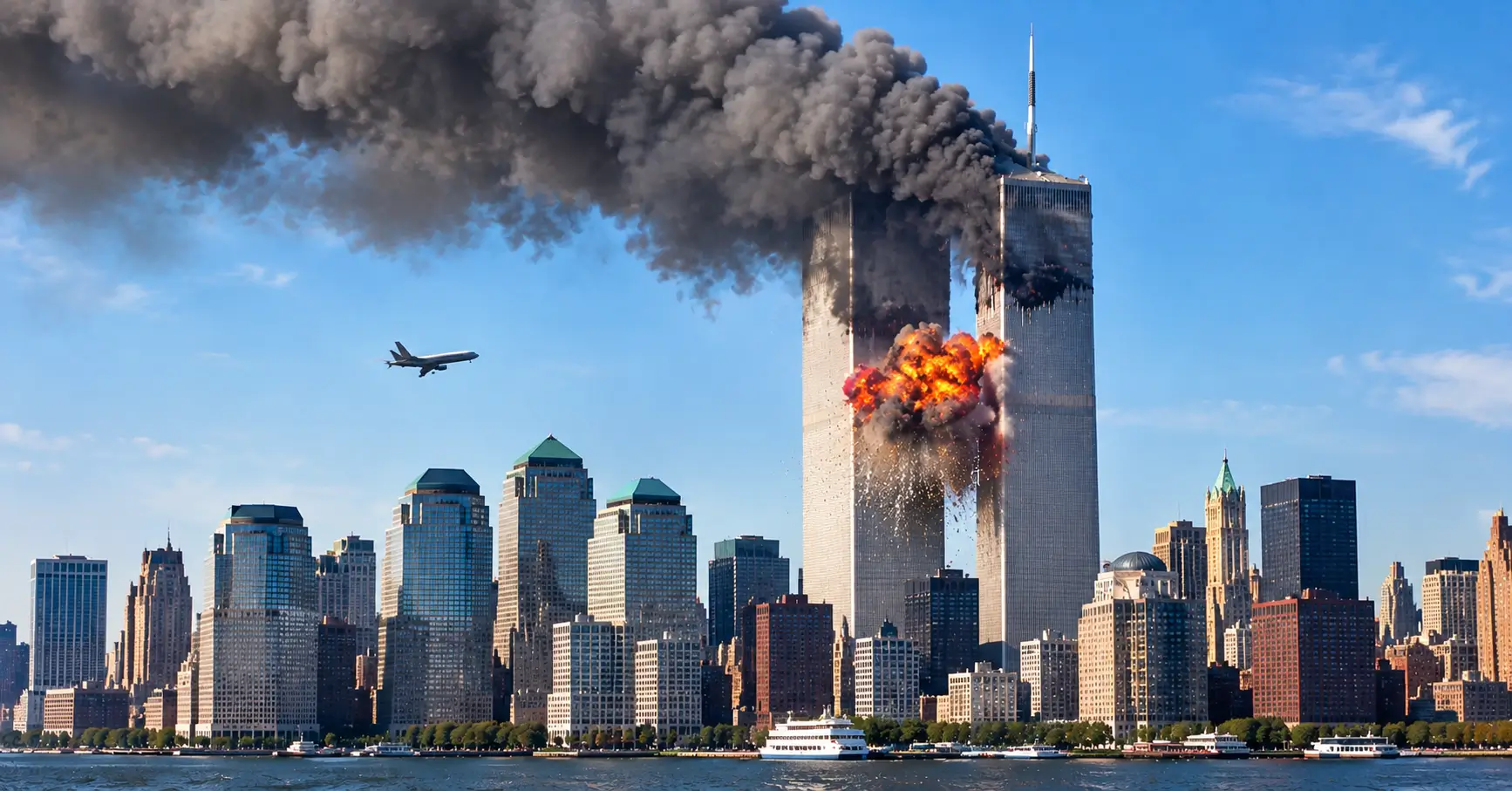
When Flight 11 hit the North Tower and Flight 175 hit the South Tower, fires spread through damaged areas of the buildings. Thousands of people began evacuating while firefighters, police officers and emergency workers moved toward the buildings.
The collapse of the towers created an enormous rescue and recovery operation. The National Institute of Standards and Technology later conducted an extensive investigation into the building performance, evacuation and emergency response.
The Pentagon Attack
At 9:37 a.m., American Airlines Flight 77 struck the Pentagon, the headquarters of the U.S. Department of Defense in Arlington, Virginia.
The Pentagon attack demonstrated that the assault was aimed not only at financial and commercial symbolism. The Pentagon represented U.S. military power and national defense.
Emergency personnel responded to the fire and structural damage while the wider Washington area was placed under an extraordinary security response. The attack also intensified the realization that the country faced a coordinated national emergency.
Flight 93: The Passengers Who Fought Back
United Airlines Flight 93 was traveling toward the West Coast when the hijacking occurred. Passengers and crew members learned through telephone calls that other aircraft had been used in attacks.
They eventually organized an attempt to retake the cockpit. The aircraft crashed into a field near Shanksville, Pennsylvania at 10:03 a.m.
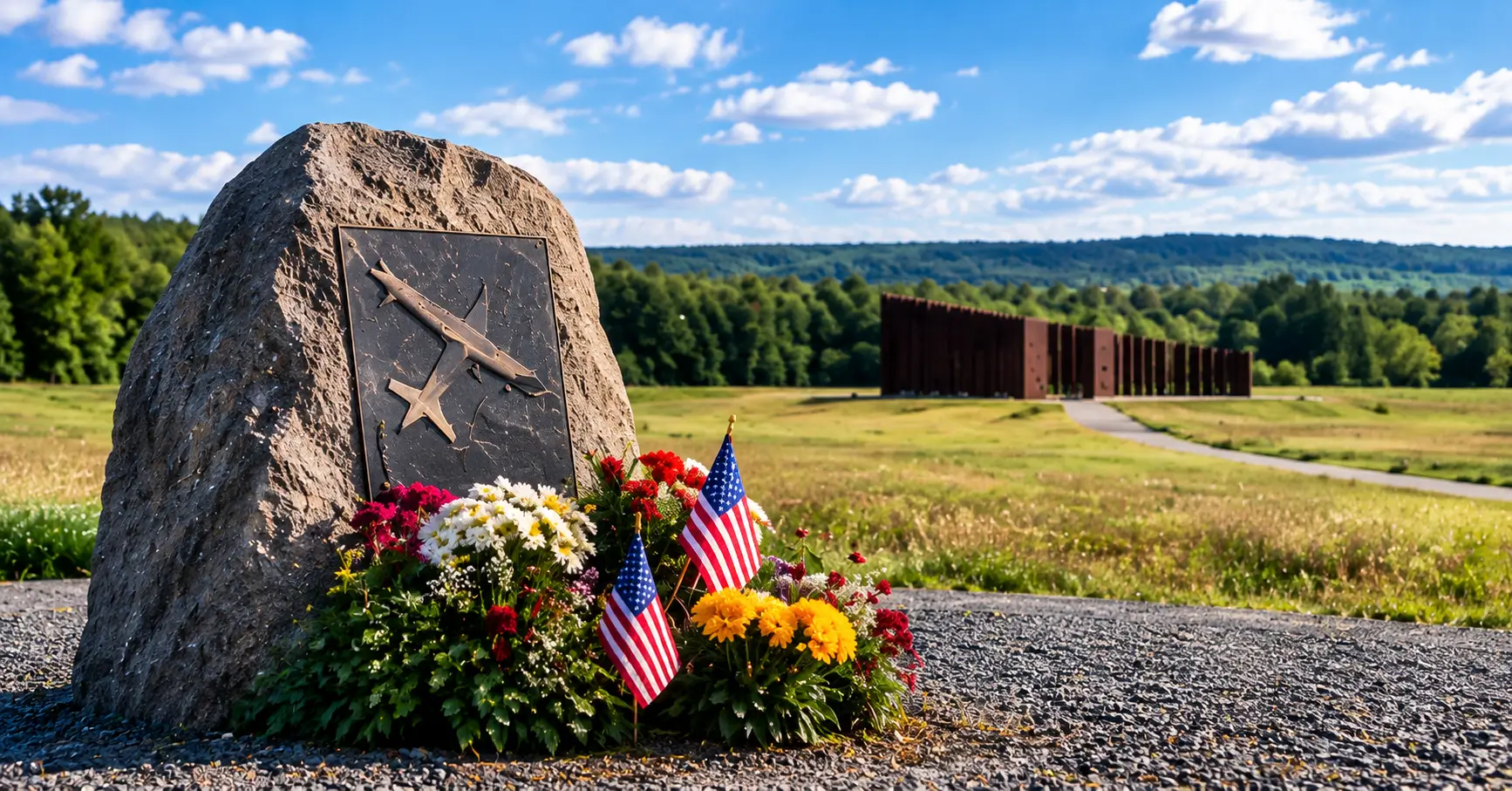
The exact intended target has been the subject of historical analysis, but the 9/11 Commission concluded that the aircraft was heading toward Washington. The actions of the passengers and crew prevented the aircraft from reaching its intended destination.
The Human Cost of September 11, 2001
The most important part of the history is the human cost. The attacks killed 2,977 people. Victims included office workers, airline passengers and crew, firefighters, police officers, emergency medical personnel and people working in or near the affected sites.
The loss continued beyond the day itself. Survivors, rescue workers, recovery workers, families and communities experienced long-term physical, emotional and financial consequences.
The 9/11 Memorial & Museum preserves the names and stories of those killed. Its records emphasize that the victims represented dozens of nations and many different backgrounds.
Remembering the victims is important because historical accounts can sometimes become focused on military operations, political decisions and statistics. Those events matter, but the central historical fact remains that thousands of individual lives were permanently changed or lost.
The Immediate Response
The response to September 11, 2001 involved local emergency services, federal agencies, the military, hospitals, volunteers and ordinary citizens.
In New York City, firefighters and police officers entered the World Trade Center complex while civilians attempted to evacuate. At the Pentagon, emergency workers fought fires and searched damaged areas. Near Shanksville, Pennsylvania, investigators and rescue personnel responded to the Flight 93 crash site.
The federal government also faced an unprecedented continuity-of-government challenge. Air traffic across the United States was halted, aircraft already in the sky were redirected, and national security agencies worked to understand the scale of the attack.
The response demonstrated both remarkable courage and serious institutional weaknesses. Those strengths and weaknesses became important subjects of later investigations.
Investigations and the 9/11 Commission
After the attacks, several investigations examined different aspects of what had happened. One of the most important was the National Commission on Terrorist Attacks Upon the United States, commonly known as the 9/11 Commission.
The commission was created by Congress and tasked with producing a full account of the circumstances surrounding the attacks and recommendations for preventing future terrorist attacks. Its final report examined the history of al-Qaeda, intelligence warnings, aviation security, emergency response and national security policy.
The National Archives now preserves the commission’s records. The archive provides researchers with access to hearings, memorandums, reports and other historical materials.
The September 11 Aftermath
The September 11 aftermath was immediate and enormous. The United States entered a new period in which terrorism became a central issue of national security policy.
Congress passed the Authorization for Use of Military Force in September 2001. The law authorized the president to use necessary and appropriate force against those nations, organizations or persons determined to have planned, authorized, committed or aided the attacks, or those who harbored them.
The United States soon launched military operations in Afghanistan against al-Qaeda and the Taliban government that had provided sanctuary to the organization. The Afghanistan War became one of the longest military conflicts in U.S. history.
The attacks also influenced later debates about the Iraq War, even though Iraq was not responsible for carrying out the September 11 attacks. The 9/11 Commission itself treated the question of Iraq separately from the operational responsibility for 9/11.
The War on Terror and Afghanistan
The phrase “War on Terror” became a defining expression of the post-September 11 period. Counterterrorism moved to the center of American foreign policy, military planning and intelligence work.
Afghanistan became the first major battlefield of the post-9/11 wars. The Taliban regime was removed from power after U.S.-led military operations began in October 2001, although the conflict continued for many years.
The historical consequences were complicated. The intervention destroyed al-Qaeda’s safe haven in Afghanistan but did not immediately end militant activity. The conflict later developed into a prolonged insurgency involving the Taliban, Afghan government forces and international troops.
The post-9/11 military campaigns also raised major questions about civilian casualties, detention, interrogation, intelligence, surveillance, sovereignty and the limits of military power.
How Security Changed After September 11, 2001
Air travel changed dramatically after the attacks. The Aviation and Transportation Security Act became law in November 2001 and established the Transportation Security Administration, or TSA.
Airport screening became more centralized and extensive. Passenger identification, baggage screening, cockpit security and other aviation procedures changed substantially.
The changes extended beyond airports. Intelligence agencies, law enforcement organizations and financial institutions developed new approaches to identifying and disrupting terrorist networks.
| Area | Major Post-9/11 Change |
|---|---|
| Aviation | Federalized airport security and expanded passenger screening. |
| Intelligence | Greater emphasis on sharing information between agencies. |
| Emergency planning | Greater attention to large-scale terrorist and disaster scenarios. |
| Building safety | New research and recommendations following the World Trade Center investigation. |
| Foreign policy | Counterterrorism became a major national security priority. |
The Global Impact of September 11, 2001
The global impact of September 11, 2001 extended far beyond the United States. Governments around the world strengthened counterterrorism laws, intelligence cooperation and airport security.
International institutions also responded. The United Nations Security Council adopted resolutions addressing terrorism, financing and international cooperation.
The attacks affected migration policy, border controls, intelligence sharing and public debates about civil liberties. Muslim communities in many countries also faced increased scrutiny and, in some places, discrimination and hate crimes.
The attacks changed how many governments understood non-state armed groups. Terrorism was no longer treated only as a criminal problem. It increasingly became a central national-security and foreign-policy issue.
The effects were also cultural. Films, books, television programmes, journalism, memorials and museums created a large body of work attempting to explain and remember the attacks.
The Historical Legacy of September 11, 2001
The legacy of September 11, 2001 is still visible in the twenty-first century. Airport security procedures, counterterrorism laws, intelligence structures and military policies were all shaped by the events that began that morning.
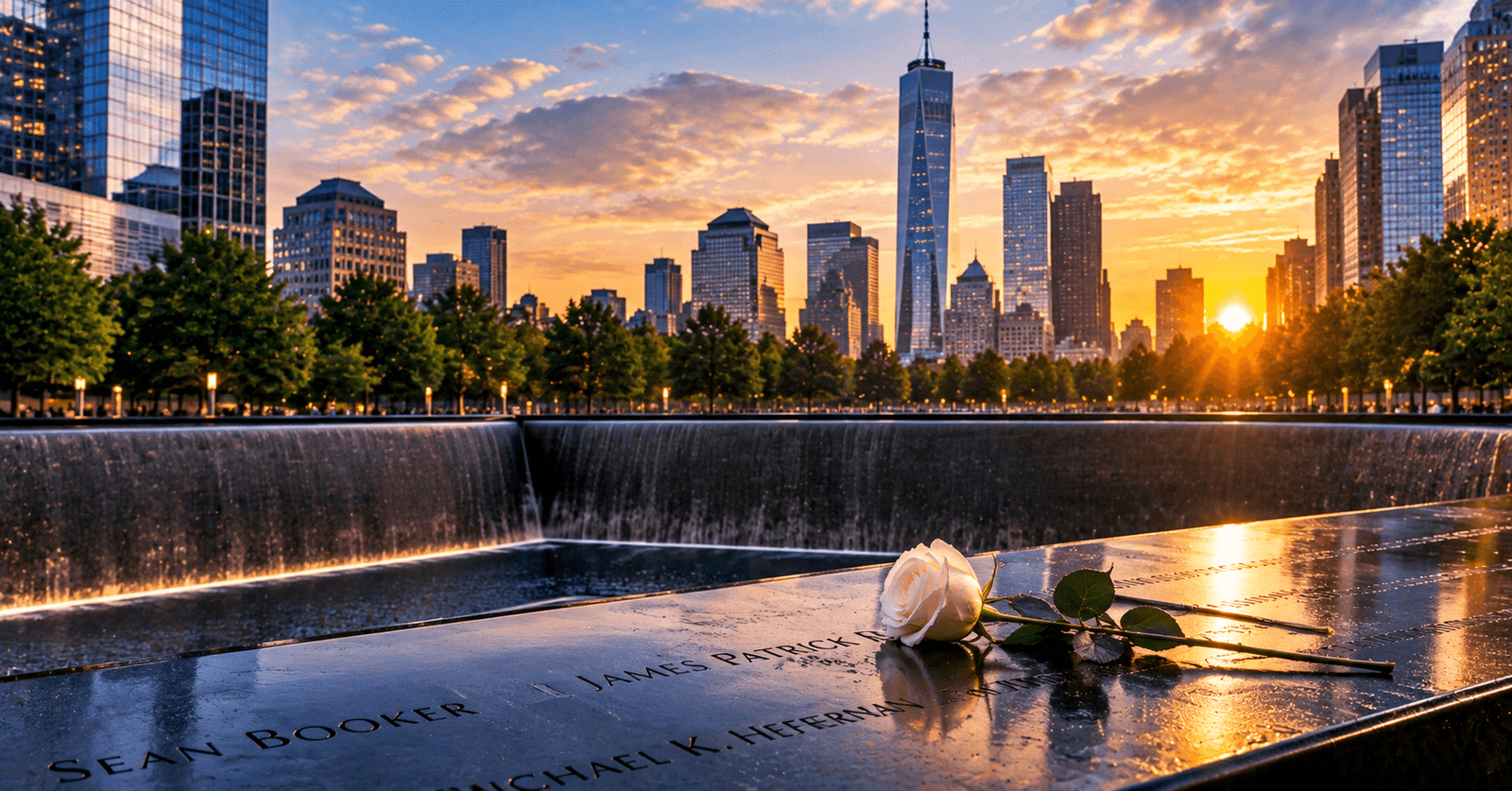
The attacks also changed the way governments think about warning signs. The 9/11 Commission emphasized the importance of imagination, information sharing, accountability and institutional reform.
NIST’s technical investigation produced another kind of legacy. Its findings influenced building safety and emergency response practices, showing how historical disasters can lead to changes that protect future generations.
Perhaps the most enduring lesson is that history is rarely the story of one moment. September 11, 2001 was one day, but understanding it requires examining the years before it and the decades that followed.
Books for Further Historical Reading
Readers who want to study September 11, 2001 in greater depth can compare official investigations with carefully researched historical narratives.
-
The Looming Tower — Lawrence Wright:
A detailed history of the rise of al-Qaeda, the development of Islamist militancy and the intelligence failures that preceded the attacks.
Publisher information -
Ghost Wars — Steve Coll:
A broader history of Afghanistan, U.S. covert operations, the rise of bin Laden and the background to the emergence of al-Qaeda.
Publisher information -
The Only Plane in the Sky — Garrett M. Graff:
An oral history built from interviews, archival material and firsthand accounts of people who experienced the day.
Publisher information
These books approach the subject differently. The official 9/11 Commission Report is especially useful for institutional history, while narrative histories and oral histories help explain the human experience and the longer political background.
Frequently Asked Questions About September 11, 2001
What happened on September 11, 2001?
Nineteen al-Qaeda hijackers seized four commercial airplanes. Two hit the World Trade Center, one hit the Pentagon and Flight 93 crashed in Pennsylvania after passengers and crew fought back.
How many people died on September 11, 2001?
2,977 people were killed in the four attacks, according to the National September 11 Memorial & Museum.
Who carried out the 9/11 attacks?
The attacks were carried out by 19 members of al-Qaeda who hijacked the four aircraft.
What happened to the World Trade Center?
The Twin Towers were struck by hijacked aircraft and later collapsed after sustaining severe impact damage and fires.
What happened to Flight 93?
Passengers and crew attempted to retake the aircraft after learning about the other attacks. Flight 93 crashed near Shanksville, Pennsylvania.
What was the 9/11 Commission?
It was an independent bipartisan commission created by Congress to investigate the circumstances surrounding the attacks and recommend measures to prevent future attacks.
How did September 11, 2001 change airport security?
The attacks led to major changes in aviation security, including the creation of the Transportation Security Administration and more centralized federal screening.
Did September 11, 2001 lead to the Afghanistan War?
Yes. The United States launched military operations in Afghanistan in October 2001 against al-Qaeda and the Taliban government that had provided sanctuary to al-Qaeda.
Why is September 11, 2001 historically important?
The attacks caused enormous loss of life and transformed U.S. national security, foreign policy, aviation security and international counterterrorism for decades.
Official Sources and References
The official commission report covering the origins, attacks, response and recommendations.
Read the official 9/11 Commission Report
Archival records, hearings and materials from the commission.
View National Archives 9/11 Records
Official technical research into building performance, evacuation and emergency response.
Read the NIST World Trade Center Investigation
Historical information, victim information and educational resources about the attacks.
Read the 9/11 Memorial FAQ
A detailed timeline of events before, during and after the attacks.
Explore the official 9/11 Timeline
Historical legislative information concerning the authorization passed after the attacks.
Read the Congressional record
Official background on the creation and development of the TSA after 9/11.
Visit TSA
Historical Research Disclaimer:
This article is an independent educational history article. It is based on publicly available records from the U.S. 9/11 Commission, National Archives, National Institute of Standards and Technology, National September 11 Memorial & Museum, U.S. Congress and other established historical sources.
The article does not represent the views of the U.S. government, the 9/11 Memorial & Museum, NIST, the United Nations or any other institution mentioned. Historical interpretations can differ, so readers are encouraged to consult the original reports and books linked above for deeper study.
The article is intended for historical and educational purposes and is not intended to glorify terrorism, extremist organizations or political violence.
Remembering September 11, 2001
September 11, 2001 remains one of the defining events of modern history. Its importance is not limited to the attacks themselves. The day changed families, communities, institutions, national security policies and international relations.
The best way to study the history is to examine the evidence carefully, remember the people who lost their lives, understand the decisions made afterward and recognize the long-term consequences of those decisions.
History becomes meaningful when it helps later generations understand not only what happened, but also why it mattered.
Historical Research Disclaimer
This article about September 11, 2001 is provided for historical and educational purposes only. The information has been compiled from publicly available historical records, official reports, archival materials, and established historical publications.
Every effort has been made to present the events accurately and respectfully. However, historical interpretations may differ, and readers are encouraged to consult the original official reports and referenced books for further research.
This article does not promote, support, glorify, or justify terrorism, extremist organizations, political violence, or violence against civilians. References to terrorist organizations or violent events are included solely to explain their historical context.
Note: This website is an independent educational publisher and is not affiliated with or endorsed by the U.S. government, the 9/11 Commission, NIST, the National September 11 Memorial & Museum, or any other organization mentioned in this article.
Reference Sources
The following authoritative sources were consulted for the historical information in this article:
-
9/11 Commission – Final Report
Official report of the National Commission on Terrorist Attacks Upon the United States. -
U.S. National Archives – 9/11 Commission Records
Archival records, hearings, documents and research materials related to the 9/11 Commission. -
GovInfo – 9/11 Commission Report
Official U.S. government publication and access to the commission report. -
NIST – World Trade Center Investigation
Technical investigation into the World Trade Center buildings, evacuation and emergency response. -
National September 11 Memorial & Museum
Historical information, victim records, educational resources and memorial materials. -
9/11 Memorial – Interactive Timeline
Detailed timeline documenting events surrounding September 11, 2001. -
U.S. Congress – Authorization for Use of Military Force
Official congressional record of the 2001 authorization passed after the attacks. -
Transportation Security Administration (TSA)
Official information about U.S. transportation security and its development after 9/11.
Note: These sources are provided for educational and historical research purposes. Readers can consult the original documents for detailed information and further study.
Related Articles
Questions & Answers
Have a question about this article? Ask it below. Other GrayGaps readers can share their experience and help answer it.